
Why I Started a Podcast About Brand Strategy
Most brand problems aren't design problems — they're choice problems. I started Boringly Effective to put the fundamentals back on the table with guests who have the evidence: Mark Ritson on pricing, WARC on machine-readable brands, System1 on creative testing.
For years I've said most brand problems aren't design problems — they're choice problems. Who to focus on, what to stop saying, how to compete. Design can make a weak brand prettier. Only choices make it stronger. It's the argument I make with clients every week — brand strategy is decided long before any designer opens a file.
The industry, though, has stopped arguing about choices. We argue about tools. This year's conferences offered faster ways to produce more content, and very few honest conversations about which choices actually make money. So I started a place where the fundamentals get argued out loud.
It's called Boringly Effective, and the thesis is simple: marketing fundamentals beat marketing fads, every time. I test it by recording with people who have the evidence, not just the microphone. Guests so far include Mark Ritson, Andrew Tindall (System1) and David Tiltman (WARC), recorded where the industry actually meets — including this year's Cannes Lions.
Episode 1: Mark Ritson on the lever most CMOs never touch
Ritson's argument, in one line: price is the most underused lever in marketing, and most CMOs treat it as a finance decision rather than a brand decision. If you've ever sat through a pricing meeting that felt like a spreadsheet exercise, that's the trap.
Three things from the hour that stayed with me:
- He'd rather see a marketing team set two serious objectives a year than twelve tidy ones. Marketing gets weak when it tries to be everything at once.
- Asked which brands reinvent themselves like Madonna, he named BMW and Chanel — disciplined evolution, not rebrands — and made a case that Apple is quietly walking a decades-long path toward luxury.
- My line, which he let me keep in: creativity amplifies media investment, it rarely replaces it. If you multiply by zero, you still get zero. I've written the longer version of that argument in The Myth of "Bold Ideas".
And the question he opens with, which I'm still chewing on: Cannes creates conversation — but does it create change?
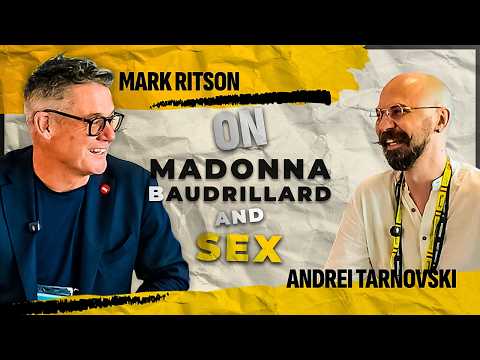
The full write-up, with the takeaways spelled out, lives on the podcast site: Mark Ritson on Madonna, Baudrillard and the Boring Work of Marketing Effectiveness — Episode 1.
Two more, if one lands
- David Tiltman (WARC) — what happens to brands when machines, not people, read most of your content. Content churn, AI, and why consistency is turning into a machine-readable property: read the episode
- Andrew Tindall (System1) — when not to test creativity, and what AI can and can't predict about how people actually feel about ads: read the episode
A tool to try
The Share of Search Calculator. Enter your category's brands and their search volumes — it returns your share of search, an ESOV proxy and a penetration proxy. The cheapest leading indicator of brand health you can build: try it
If you'd rather have one evidence-first idea a week than three videos, subscribe to The Boringly Effective Brief — every Tuesday, unsubscribe anytime: subscribe
— Andrei
tarnovski.com · boringlyeffective.com